

Blog
What Is Indo Western Wear ? Meaning, Features and Types Explained

Have you ever noticed a lehenga worn with a blazer or a saree shaped like a gown and wondered what that style is called? That balanced mix of heritage and modern design is known as an Indo Western wear.An Indo Western dress is a fusion-style garment that combines traditional Indian elements such as classic textiles, embroidery, and cultural silhouettes with modern Western tailoring and structure.
It brings together craftsmanship and contemporary design within a single outfit. Instead of choosing between ethnic wear and Western fashion, this style connects both in a structured and intentional way.
What Does Indo Western Dress Mean?
The term Indo Western represents the merging of asian and Western fashion systems into one structured garment.
The Indo Influence in Fashion
The “Indo” component refers to traditional Indian clothing and craftsmanship. This includes:
- Garments like the saree, lehenga, kurta, and anarkali
- Textiles such as silk, brocade, cotton, georgette, and velvet
- Decorative techniques like zari, zardozi, mirror work, and chikankari
- Traditional draping methods rooted in Indian culture
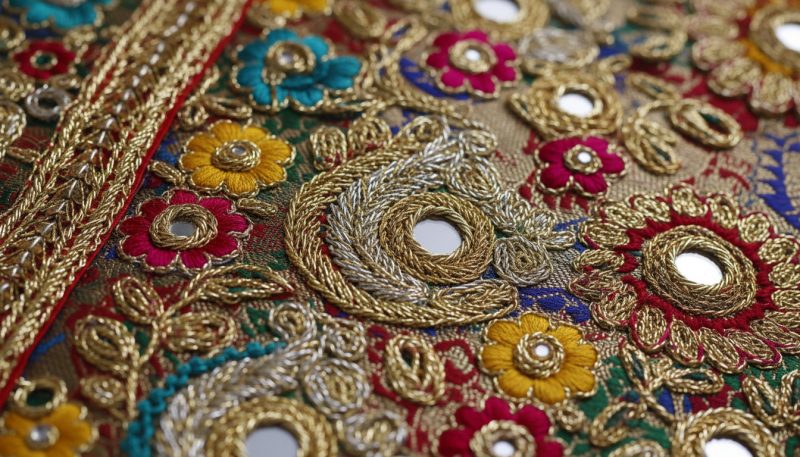
These elements contribute ornamentation, richness, and cultural depth to the design.
The Western Influence in Fashion
The “Western” component focuses on structure and tailoring. It includes:
- Fitted bodices
- Structured blazers
- Contemporary gowns
- Defined seam construction
- Modern shaping and proportion
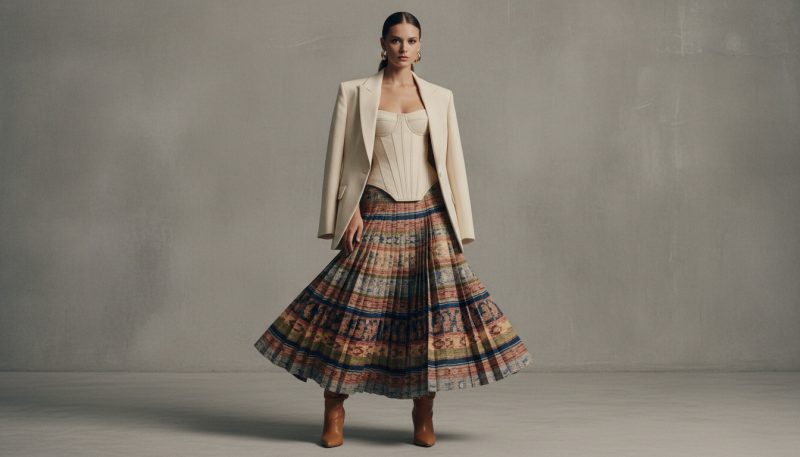
Western tailoring introduces structure, clean lines, and refined silhouettes. When these influences combine in a single garment, the result is an Indo Western dress.
Key Features of an Indo Western Clothing
Several features clearly define this style.
1. Mixed Silhouettes
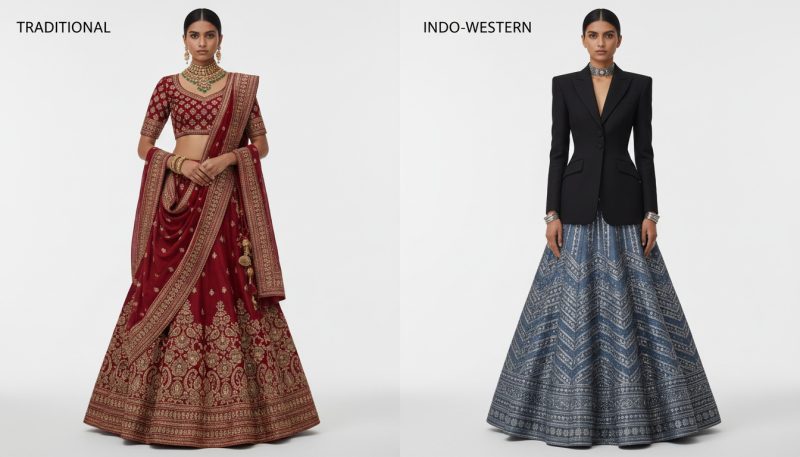
One main feature is the blending of garment shapes. A traditional lehenga skirt may be paired with a tailored shirt. A saree may be pre-stitched to look like a gown. An anarkali may be reshaped with a modern cut. The original Indian form remains visible, but the structure reflects Western tailoring.
2. Traditional Embroidery on Modern Cuts
Indian craftsmanship is often applied to contemporary shapes. For example:
- Zari work on a structured bodice
- Mirror work on a fitted jacket
- Brocade panels in a modern dress
The decoration follows Indian tradition, while the garment shape follows Western design.
3. Use of Fabrics in Contemporary Styles
An Indo Western dress often uses rich Indian textiles in new formats.
- Silk may be shaped into a Western-style gown.
- Georgette may support asymmetrical cuts.
- Velvet may be used in structured fusion jackets.
The fabric connects the garment to Indian heritage, even when the cut looks modern.
4. Flexible Structure
Because it combines two design systems, an Indo Western dress works in different settings such as weddings, receptions, and cultural events. The structured tailoring provides comfort and ease of movement, while the embellishment maintains elegance.
Types of Indo Western Dresses
Indo Western fashion appears in different formats. Each shows fusion in a slightly different way.
Indo Western Gown
An Indo Western gown follows a Western eveningwear shape but includes Indian embroidery, brocade detailing, or traditional motifs. It keeps the gown silhouette while reflecting Indian craftsmanship.
Indo Western Saree
An Indo Western saree keeps the identity of a saree but changes its structure. It may be pre-stitched, belted, or paired with a modern blouse design. The drape becomes more structured while the cultural element remains.
Lehenga with Modern Top
A traditional lehenga can be combined with a blazer, shirt, or contemporary top. This shifts the look from fully ethnic to fusion without removing its Indian base.
Kurti with Structured Bottoms
A kurti may be paired with tailored trousers or modern palazzo pants. The upper garment reflects tradition, while the lower garment follows Western construction.
Contemporary Fusion Sets
Modern fusion also includes jumpsuits, co-ord sets, and jacket-style ensembles made using Indian textiles like silk or brocade. These garments show how traditional fabric can exist within entirely modern silhouettes.
Indo Western Wear for Women
Indo Western wear for women includes fusion garments that combine traditional Indian silhouettes with modern Western tailoring. Common examples include Indo Western gowns, lehenga sets paired with structured tops, sarees with contemporary blouse designs, and kurta sets styled with tailored trousers.
These garments maintain Indian textile craftsmanship while adapting to modern silhouettes, making them suitable for formal events, cultural occasions, and contemporary gatherings.
How Is an Indo Western Dress Different from Traditional Asian Dress?
Traditional asian clothing follows established shapes and draping methods that have been consistent for generations. A saree or lehenga in its classic form maintains its original structure.
An Indo Western dress modifies that structure. It may introduce stitching where there was draping, add shaping where there was flow, or combine two garment styles into one design. Traditional attire focuses on preservation. Indo Western fashion focuses on reinterpretation.
Why Did Indo Western Dresses Become Popular?
The popularity of the Indo Western dress grew as fashion became more global. Designers began experimenting with Indian textiles and Western tailoring to create garments that reflect both cultural identity and modern lifestyle.
Urban environments also influenced this shift. Many people wanted clothing that honors heritage while offering structured comfort. Fusion fashion answered that need. Over time, the Indo Western dress became a recognized category rather than a temporary trend.
Fabrics Commonly Used in Indo Western Dresses
Fabric choice shapes the overall look and feel of the garment. Common materials include:
- Silk for shine and richness
- Georgette for softness and movement
- Velvet for depth and formal appeal
- Cotton for comfort
- Brocade for woven texture and detail
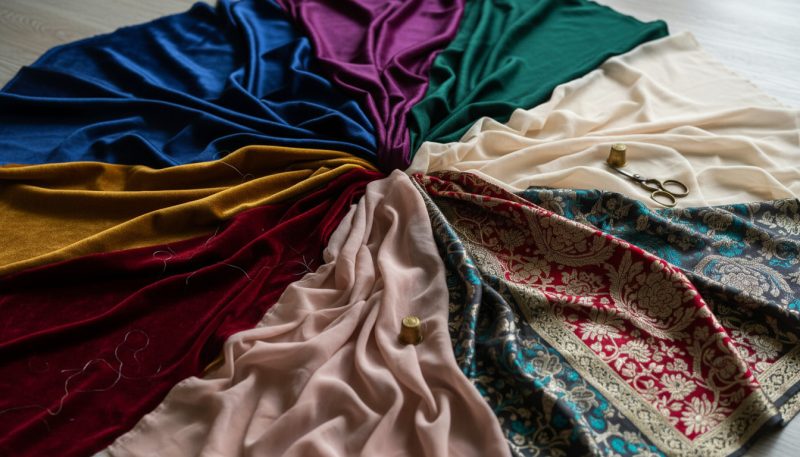
Each material supports both traditional detailing and modern shaping.
Conclusion
An Indo Western dress is a fusion garment that combines Indian textiles, embroidery, and cultural silhouettes with Western tailoring and contemporary structure. It reshapes traditional elements into modern forms without removing their identity. By blending craftsmanship with structured design, the Indo Western dress stands as a clear example of cultural integration in fashion.


 New Arrivals
 Ready To Wear
 Kid’s Clothing
 Wedding Wear
 Men’s Wear
 Jewellery
 Designers
 Sale
Sale