

Blog
Types of Anarkali Dress: Popular Styles You Should Know
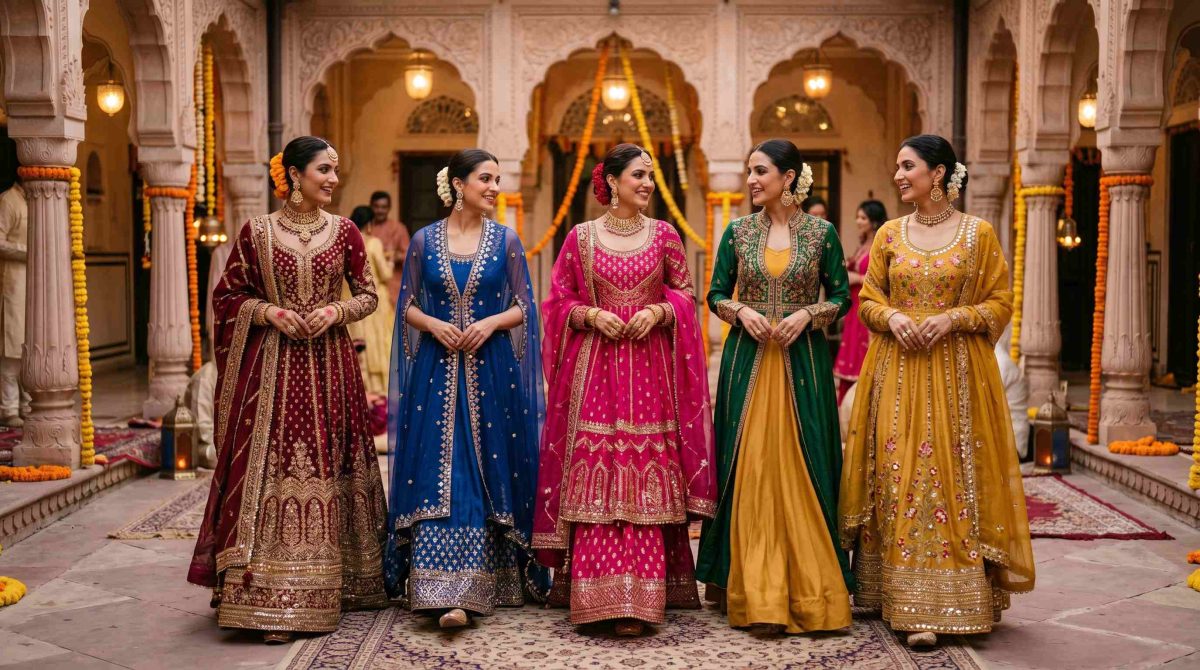
Have you ever noticed how two Anarkali dresses can look completely different even though they share the same name? One may resemble a flowing gown, while another features layered panels, a jacket, or even a cape. With so many variations available today, choosing the right style can sometimes feel confusing.
This is a common challenge for many people who love traditional outfits but aren’t sure which Anarkali style suits different occasions. Understanding the types of Anarkali dress can make it easier to pick the right design for weddings, festivals, and celebrations.
In this guide, you’ll learn about the most popular Anarkali styles, how they differ, and when each type works best.
What Is an Anarkali Dress?
An Anarkali dress is a traditional outfit inspired by Mughal-era fashion. It is known for its long, flowing silhouette that flares out from the waist, creating an elegant and graceful look.
Typically, an Anarkali outfit consists of:
- A long flared kurta
- Churidar pants
- A dupatta
The design resembles a gown but maintains the traditional structure of a salwar kameez. Because of its flattering shape and timeless appeal, the Anarkali dress remains one of the most popular choices for weddings, festivals, and formal gatherings. Over time, designers have introduced many variations, which is why today there are several different types of dress styles.
Most Popular Types of Anarkali Dress
Modern fashion has expanded the classic silhouette into many beautiful variations. Here are some of the most common styles.
Floor-Length Anarkali
The floor-length Anarkali is one of the most elegant styles. As the name suggests, the dress extends all the way to the floor, creating a gown-like appearance. This style often features:
- Rich fabrics such as silk or velvet
- Heavy embroidery or embellishments
- A dramatic flare
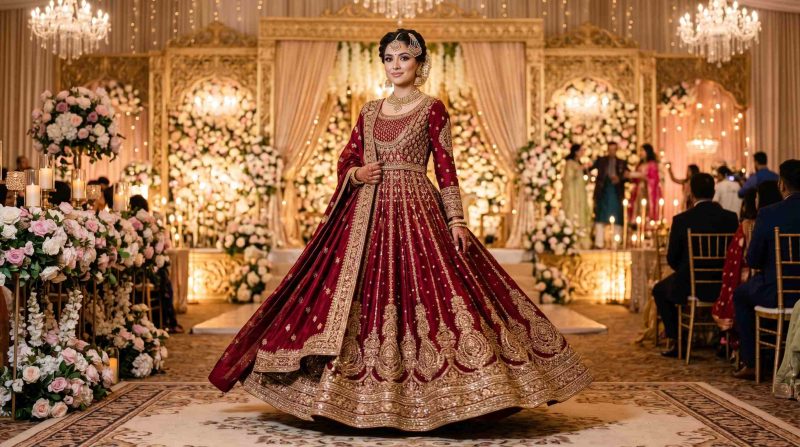
Because of its luxurious look, this type of Anarkali dress is commonly worn at weddings, receptions, and formal celebrations.
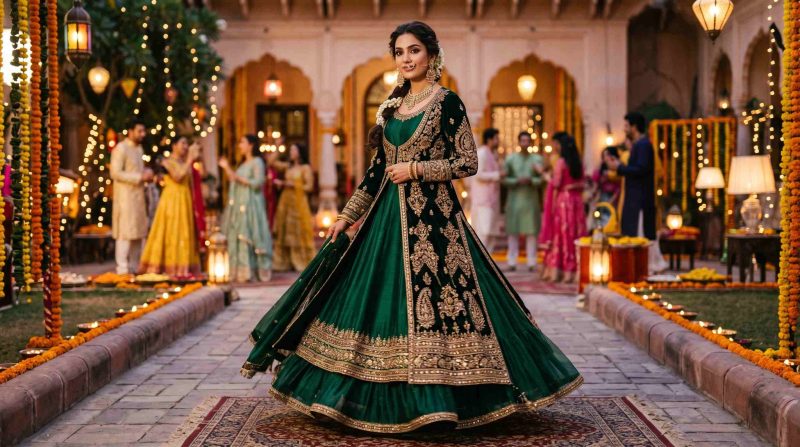
Jacket Style Anarkali
The jacket-style Anarkali adds an extra layer to the traditional outfit. A long embroidered jacket is worn over the Anarkali dress, creating a more structured and layered look. This design works well because the jacket adds detail without overwhelming the outfit. It is often chosen for:
- Wedding functions
- Festive events
- Engagement ceremonies
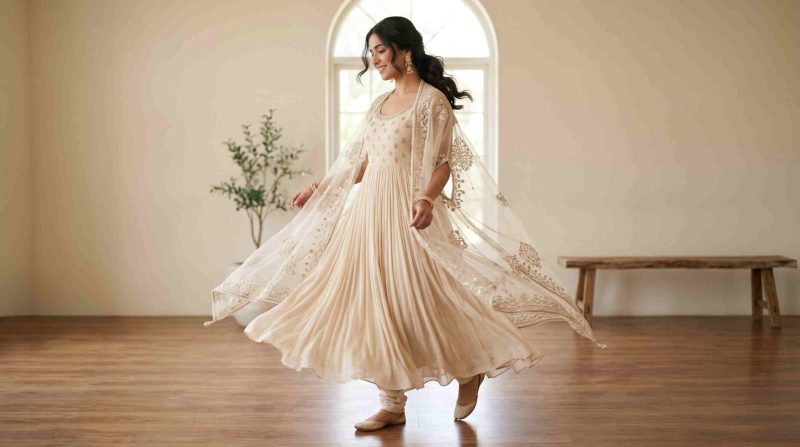
Cape Style Anarkali
The cape-style Anarkali is a modern variation that includes a lightweight cape worn over the dress. The cape may be sheer, embroidered, or embellished with delicate patterns. This style offers a contemporary feel while maintaining traditional elegance, making it suitable for:
- Parties
- Engagement events
- Festive gatherings
Layered Anarkali
A layered Anarkali features multiple layers of fabric that create extra volume and movement. These layers can include different textures or colors, giving the outfit a dramatic appearance. Because of its striking silhouette, this style is often worn for:
- Festive celebrations
- Wedding functions
- Cultural events
Panelled Anarkali
The panelled Anarkali is designed using multiple vertical panels stitched together to create a fuller flare. These panels help distribute the fabric evenly, allowing the dress to flow beautifully while maintaining structure. This style is particularly popular for traditional weddings and festive occasions.
Angrakha Style Anarkali
The Angrakha Anarkali takes inspiration from traditional royal clothing. It features a cross-over front design that ties at the side, creating a unique and elegant look. This type of Anarkali dress reflects Mughal fashion influences and is often chosen for cultural events and traditional celebrations.
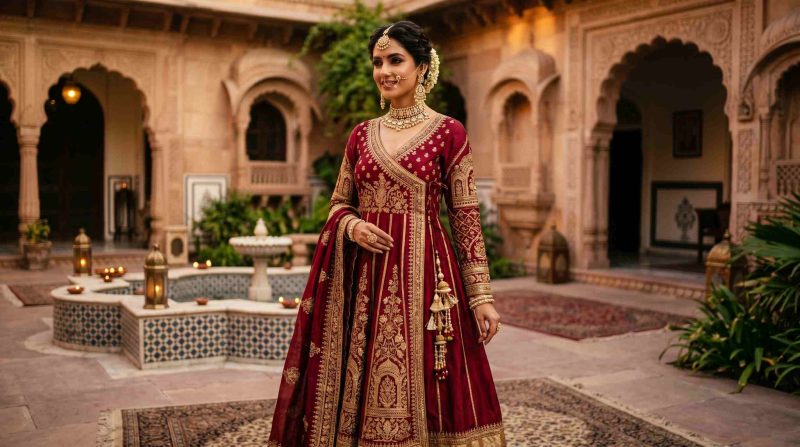
Pakistani Anarkali
The Pakistani Anarkali is known for its long, flowing silhouette and intricate embroidery. It typically uses rich fabrics and detailed embellishments, giving the outfit a luxurious appearance. This style is commonly worn for:
- Eid celebrations
- Weddings
- Formal gatherings
Bridal Anarkali
A bridal Anarkali is designed specifically for wedding occasions. These dresses often feature:
- Heavy embroidery
- Rich fabrics like silk or velvet
- Elaborate embellishments
Because of their luxurious design, bridal Anarkalis are a popular alternative to traditional bridal lehengas.
Short Anarkali
The short Anarkali is a shorter version of the classic style, usually ending around the knee. It is typically paired with churidar pants or leggings. This type of Anarkali dress works well for:
- Casual festive wear
- Family gatherings
- Smaller celebrations
Palazzo Anarkali
In the palazzo Anarkali, the dress is paired with wide palazzo pants instead of the traditional churidar. This modern combination provides both comfort and style. It is often chosen for:
- Festive occasions
- Semi-formal events
- Contemporary ethnic fashion
Slit Style Anarkali
The slit-style Anarkali features a front or side slit that reveals a contrasting inner layer or pants. This design adds a modern twist while maintaining the traditional silhouette. This style is popular for fashion-forward festive outfits.
Anarkali Gown
The Anarkali gown combines elements of a traditional Anarkali dress with a western evening gown. It usually eliminates the churidar and dupatta, creating a seamless flowing silhouette.
This style is often worn for:
- Receptions
- Formal parties
- Special events
Fabrics Used in Anarkali Dresses
The fabric used in an Anarkali dress plays an important role in determining its overall look and comfort. Some commonly used fabrics include:
- Silk: Rich and luxurious, ideal for weddings and festive events
- Georgette: Lightweight and flowy, creating elegant drapes
- Chiffon: Soft and airy, perfect for graceful movement
- Velvet: Heavy and luxurious, often used for winter weddings
- Cotton: Comfortable and breathable for everyday wear
- Net: Popular for party wear because of its delicate appearance
Choosing the right fabric helps ensure that the Anarkali dress suits both the occasion and the season.
How to Choose the Right Anarkali Dress
With so many styles available, choosing the right Anarkali dress can feel overwhelming. A few simple considerations can help make the decision easier.
Consider the occasion
Heavily embroidered Anarkalis work best for weddings and formal celebrations, while lighter fabrics are more suitable for festivals or casual gatherings.
Focus on comfort
Events often last several hours, so selecting breathable fabrics ensures the outfit remains comfortable throughout the day.
Balance traditional and modern styles
Some people prefer classic designs, while others enjoy contemporary variations such as cape or palazzo Anarkalis. Choosing a style that matches the occasion and personal preference helps create a polished and comfortable look.
Frequently Asked Questions
What are the most popular types of Anarkali dress?
Some of the most popular Anarkali dress include floor-length Anarkali, jacket-style Anarkali, cape-style Anarkali, layered Anarkali, and panelled Anarkali. Each style has a slightly different silhouette and level of embellishment, which makes them suitable for different occasions such as weddings, festivals, or formal gatherings.
Which type of Anarkali dress is best for weddings?
Floor-length Anarkali dresses and bridal Anarkali styles are usually the best choices for weddings. These designs often feature rich fabrics like silk or velvet along with heavy embroidery, which creates a more formal and elegant look suitable for wedding ceremonies and receptions.
What fabric is best for an Anarkali dress?
The best fabric depends on the occasion and comfort level. Silk and velvet are commonly chosen for weddings and formal events because they look luxurious. Georgette and chiffon are lighter fabrics that create a graceful flow, making them ideal for festive events. Cotton Anarkali dresses are usually preferred for casual or daytime wear.
What is the difference between an Anarkali dress and an Anarkali gown?
An Anarkali dress is traditionally worn with churidar pants and a dupatta as part of a salwar kameez set. An Anarkali gown, on the other hand, blends the traditional Anarkali silhouette with a western-style gown and may not include separate bottoms or a dupatta.
Can Anarkali dresses be worn for festivals?
Yes, Anarkali dresses are commonly worn for festivals such as Eid, Diwali, and other cultural celebrations. Lightweight fabrics like georgette or chiffon with moderate embroidery are usually preferred for festive occasions because they offer both elegance and comfort.
How do I choose the right Anarkali dress for an event?
When choosing an Anarkali dress, consider the occasion, fabric, and level of embellishment. Heavily embroidered styles work well for weddings, while lighter fabrics and simpler designs are better suited for festivals or family gatherings. Comfort and personal style should also guide the final choice.
Conclusion
The timeless appeal of the Anarkali dress lies in its graceful silhouette and versatility. From classic floor-length designs to modern styles with jackets, capes, and palazzos, there are many types of Anarkali dress available today. Understanding the differences between these styles makes it easier to choose the right outfit for weddings, festivals, and celebrations. By selecting the appropriate fabric, design, and accessories, you can create an elegant look that reflects both tradition and personal style.


 New Arrivals
 Ready To Wear
 Kid’s Clothing
 Wedding Wear
 Men’s Wear
 Jewellery
 Designers
 Sale
Sale