

Blog
Fabric for Lehenga: Ultimate Guide to Choosing the Best Lehenga Fabric
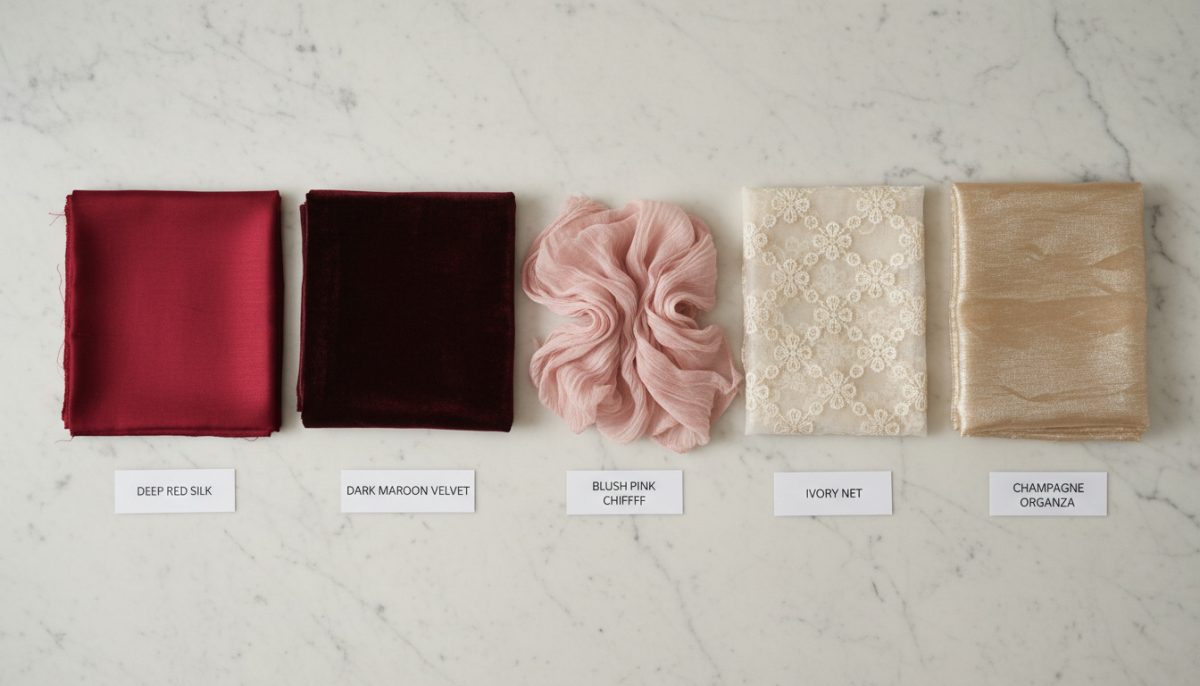
Choosing the perfect fabric for lehnga is key to looking elegant and feeling comfortable at weddings, receptions, and festive occasions. The right material affects the lehenga’s drape, comfort, appearance, and ability to hold embroidery or embellishments. This guide will help you explore popular lehenga fabrics, their uses, styling tips, and how to select the best fabric for lehenga for your special day.
Lehengas are traditional Indian outfits consisting of a skirt, blouse (choli), and dupatta. Picking the correct fabric ensures a flattering fit and enhances your overall style. From luxurious silk to lightweight chiffon, each fabric has unique qualities suitable for different occasions, and seasons.
Popular Fabrics for Lehenga
Choosing the right lehenga fabric can make all the difference in comfort, style, and elegance. Here’s a look at the most popular options:
Silk Bridal Lehenga
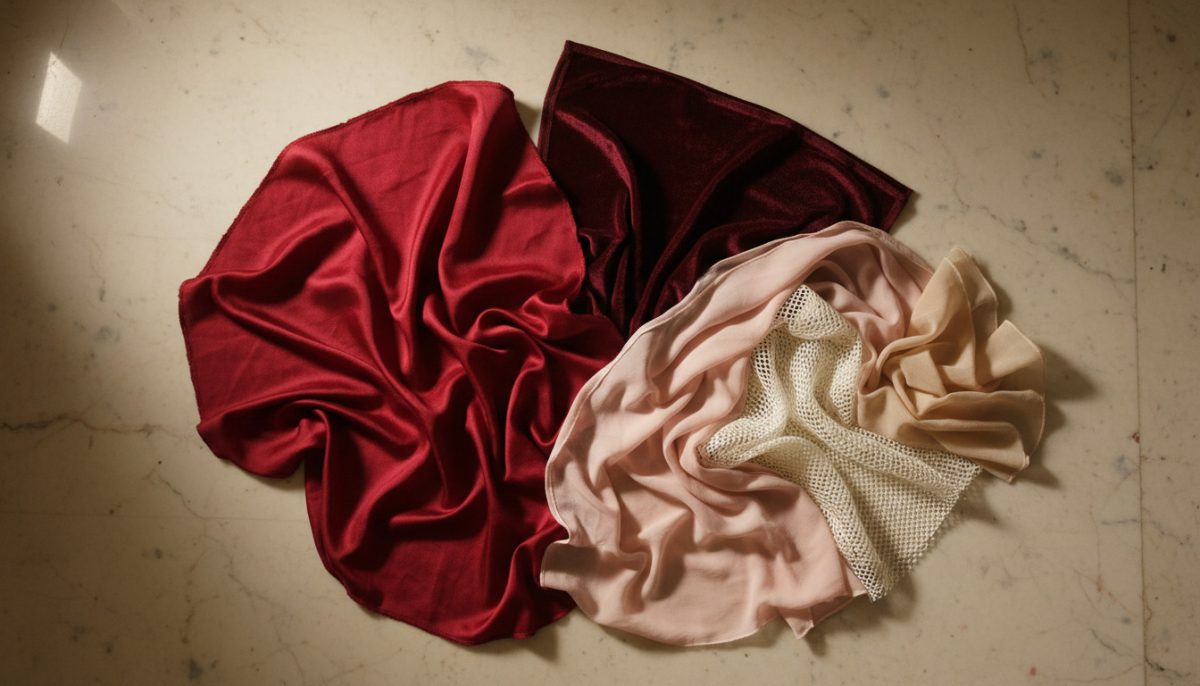
Silk is a classic choice for bridal and festive lehengas. It has a luxurious sheen and drapes beautifully. Banarasi silk is perfect for traditional weddings, while raw silk gives a subtle, modern look. Crepe silk offers a lightweight option for receptions. Silk is often considered the best fabric for lehenga for a royal appearance.
Velvet Bridal Lehenga
Velvet has a rich, opulent texture that adds a royal charm. Its structured drape suits winter weddings and evening events. Deep reds, maroons, and jewel tones look stunning. Lycra velvet is a lighter alternative that’s easier to carry. For brides, a velvet bridal lehenga ensures elegance and sophistication.
Georgette Lehenga
Georgette is soft, light, and flowy. It drapes well for both fitted and flared skirts. This fabric works beautifully with delicate embroidery or sequins. Comfortable and versatile, georgette is one of the most popular lehenga fabrics for weddings and festive events.
Chiffon Lehenga
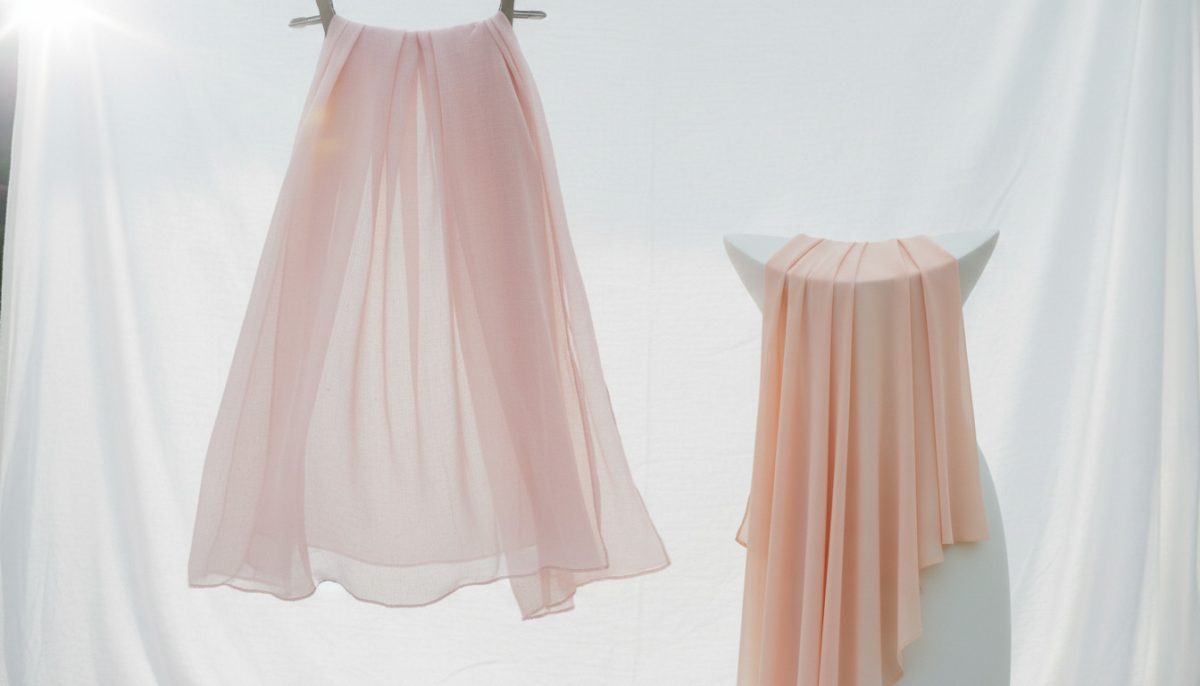
Chiffon is airy and lightweight, creating ethereal lehengas. Ideal for summer weddings or outdoor events, it flows gracefully with every movement. Chiffon pairs well with light embroidery or floral designs. It’s a favorite among brides for a romantic, soft look.
Net Bridal Lehenga
Net fabric adds volume without weight, making skirts flared and dramatic. Soft, high-quality net is best for layering. It works well with embroidery and embellishments, though transparency should be considered. A net bridal lehenga is stylish, light, and budget-friendly.
Organza Lehenga
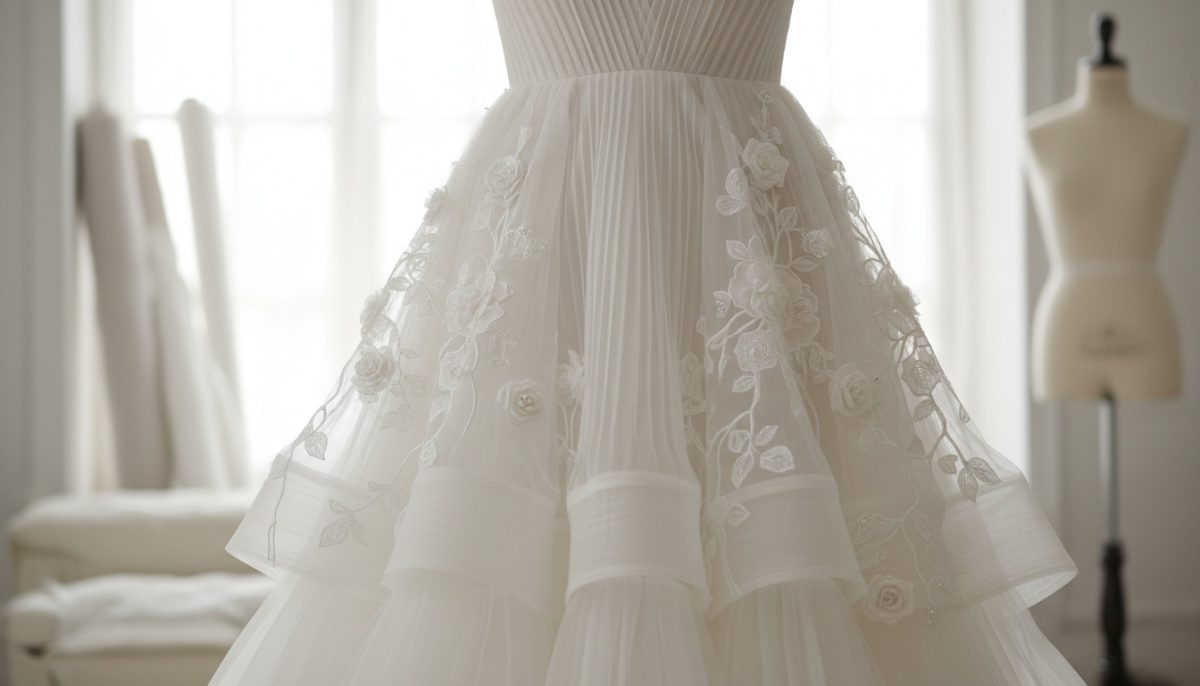
Organza is crisp and semi-sheer, ideal for layered or structured designs. It holds pleats and shapes beautifully. Organza works well with 3D embroidery and floral appliques. Designers love it for creating trendy bridal lehenga looks.
Cotton Silk & Brocade Lehenga
Cotton silk combines comfort with elegance, perfect for daytime events or casual weddings. Brocade is rich and ornate, often woven with metallic threads for a traditional look. Both fabrics are excellent for embroidery and festive occasions.
Factors to Consider When Choosing Lehenga Fabric
Choosing the right fabric for lehnga affects comfort, style, and the overall look. Keep these key factors in mind:
- Occasion: Silk, velvet, or brocade for weddings; georgette or chiffon for casual or daytime events.
- Season: Light fabrics like chiffon and georgette for summer; velvet or raw silk for winter.
- Comfort & Drape: Soft, flowy fabrics allow easy movement; stiff fabrics create dramatic pleats.
How to Mix & Match Fabrics in a Lehenga
Mixing fabrics adds style and balance. Pair heavy fabrics like velvet or brocade with lighter ones such as chiffon or net.
- Match colors across skirt, blouse, and dupatta.
- Use heavy fabrics for blouses and lighter fabrics for skirts to enhance flare.
- Ensure embellishments don’t weigh down delicate fabrics.
Trending Fabrics & Color Combinations
Modern trendy bridal lehenga designs include sustainable silk, organza layers, and experimental blends. Popular color combos are royal blue & gold, blush pink & silver, and emerald & copper. Celebrity inspiration often sets trends for fabrics and colors in bridal lehengas.
Embellishment Guide for Different Fabrics
Choosing the right embellishment enhances the lehenga’s beauty:
- Sequins & Beads: Silk, velvet, brocade
- Delicate Embroidery: Chiffon, georgette, net
- Zari Work: Traditional silk fabrics
- Mirrorwork: Cotton, net
These techniques help create a stunning embroidered bridal lehenga that suits your style and event. Discover the most popular types of lehenga, including classic, contemporary, and trend-driven designs that suit every body type and celebration.
Frequently Asked Questions (FAQs)
How much fabric is required for a lehenga?
Typically, 3–5 meters are needed for the skirt, plus extra for the blouse and dupatta. For layered or flared skirts, buy a little more to ensure proper pleats for a bridal lehenga.
Which fabric is best for summer weddings?
Light fabrics like chiffon, georgette, and organza are breathable and comfortable in heat. They also drape beautifully for a stylish bridal look.
How to achieve a fluffy lehenga skirt?
Layer light fabrics like net or organza under the skirt for volume. This technique gives a dramatic, elegant silhouette and is a top bridal lehenga tip.
Which fabrics look slimming?
Silk, satin, and georgette with vertical drapes create a slimming effect. Dark or monochromatic colors further enhance the lean look.
Can I mix multiple fabrics in one lehenga?
Yes, pairing heavy fabrics with light ones balances structure and flow. This is a popular technique for a stylish bridal lehenga.


 New Arrivals
 Ready To Wear
 Kid’s Clothing
 Wedding Wear
 Men’s Wear
 Jewellery
 Designers
 Sale
Sale