

Uncategorized
What Is a Kurta? Everything You Need to Know About Men’s Ethnic Wear
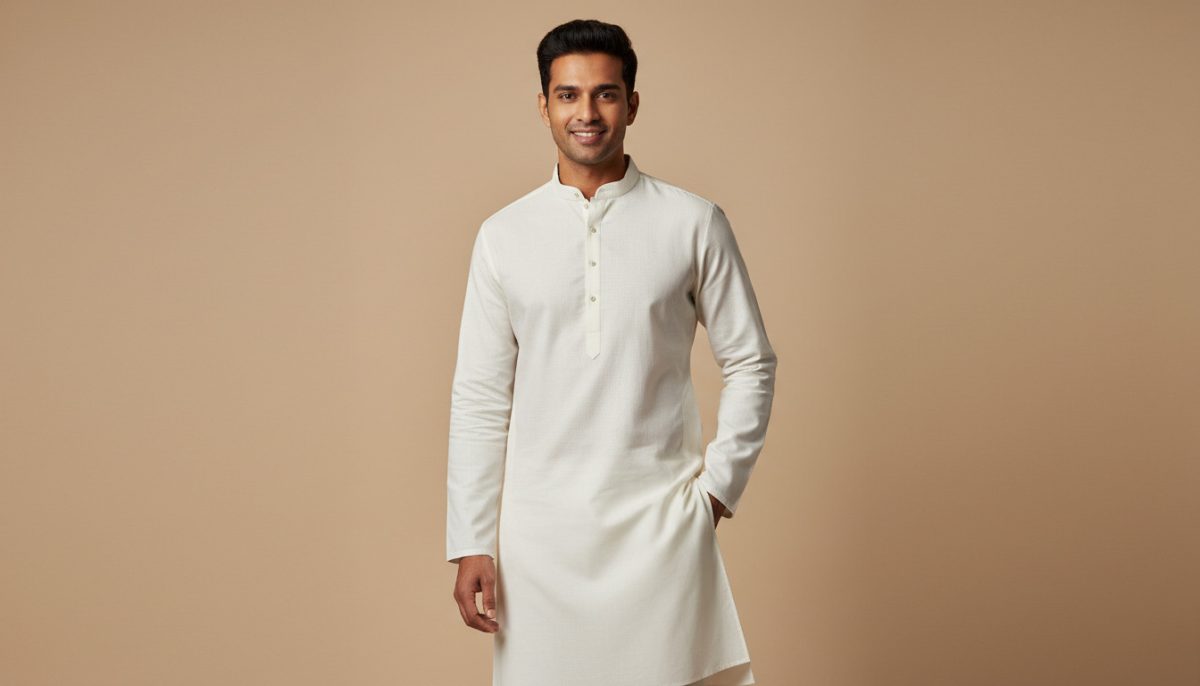
A kurta is a loose, tunic-style garment worn over pajamas or trousers. It is lightweight and comfortable, made from cotton, linen, or silk, and is suitable for festivals, casual gatherings, or semi-formal events. Kurtas can be plain, embroidered, or styled in Indo-Western ways. When understanding what is a kurta, it’s important to see it as more than just clothing.
Over time, the men’s kurta has transformed from a traditional South Asian outfit into a contemporary style essential. Characterized by its fluid silhouette and climate-friendly textiles, it offers lasting comfort and refined appeal. When paired with churidar, tailored pants, or denim, it transitions seamlessly across weddings, cultural events, workplace functions, and social settings, reinforcing its relevance in modern ethnic fashion.
Today, men’s kurtas are widely worn for Eid celebrations, wedding events, family gatherings, Friday prayers, and festive occasions across Pakistan, India, Bangladesh, the UK, Canada, and other South Asian communities worldwide.
Key Features of a Kurta
- Length & Fit: Typically mid-thigh to knee-length, offering a loose and relaxed fit.
- Fabrics: Crafted from cotton, linen, silk, or blended fabrics for breathability and comfort.
- Designs & Styles: Available in plain, embroidered, printed, or Indo-Western variations.
- Versatility: Ideal for casual outings, festive occasions, and family events.
- Styling Options: Can be paired with pajamas, churidars, jeans, or ethnic trousers for different looks.
- Comfort & Breathability: Lightweight fabrics make kurtas ideal for warm climates and long hours of wear during weddings, religious gatherings, and cultural celebrations.
History & Origin of Kurta
The kurta has been an integral part of South Asian culture for centuries, worn by men across India, Pakistan, and Bangladesh. Traditionally, it symbolized simplicity and elegance, reflecting cultural identity through fabrics, embroidery, and colors. Over time, ethnic wear evolved into more elaborate styles, suitable for festivals, weddings, and pre-wedding celebrations.
Historically, kurtas were embraced by both nobles and commoners for their comfort, ease of movement, and adaptability to different climates. Today, the kurta remains culturally significant, blending tradition with modern fashion. Festive kurtas and designer styles are especially popular during religious ceremonies, family gatherings, and formal events, combining heritage with personal style.
The garment has remained popular through generations because of its versatility, allowing men to maintain traditional style while adapting to changing fashion trends.
Modern Kurta: Stylish Ethnic Wear for Today’s Men
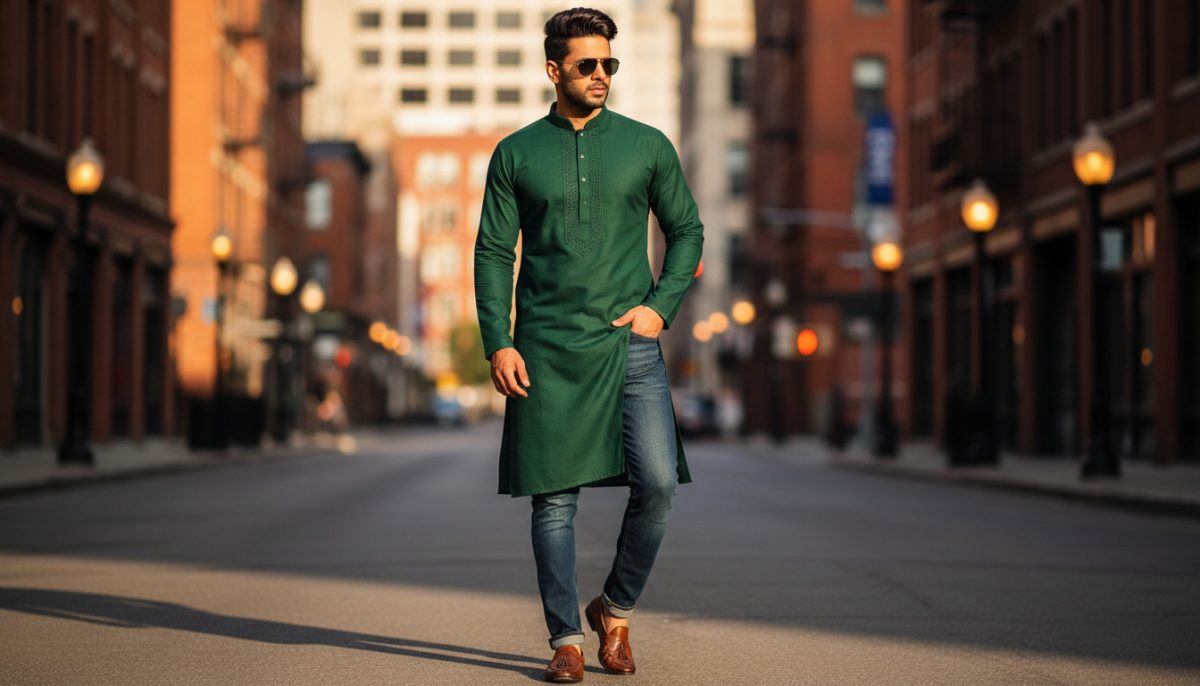
The modern kurta blends traditional designs with contemporary cuts and fabrics, perfect for casual outings or festive occasions. Available in Indo-Western styles, prints, and minimal embroidery, it offers comfort without compromising on style. Pair it with jeans, trousers, or ethnic bottoms for a trendy yet cultural look.
Many modern designs feature mandarin collars, contrast detailing, minimal embroidery, and tailored fits, making them suitable for both casual wear and semi-formal occasions.
Types of Kurta Based on Style & Design
Men’s kurtas come in a variety of silhouettes, each designed for different occasions and style preferences. The right choice depends on the fit, structure, and overall look you want to achieve. Below is a refined breakdown of the most popular styles.
Classic & Everyday Styles
Classic kurtas focus on comfort and versatility. They are easy to wear and suitable for daily use, office settings, or small gatherings.
Straight Cut Kurta
This is the most common and timeless style. It features a straight silhouette with side slits, creating a clean and balanced look. It suits almost all body types and pairs well with churidar, pajama, or even jeans.
A-Line Kurta
Designed with a slight flare from the waist, the A-line kurta offers extra room around the hips. It feels comfortable for long wear and works well for festive day events or family functions.
Pathani Kurta
Inspired by Afghan fashion, the Pathani kurta has a loose fit with a structured collar and button placket. It gives a strong and masculine appearance, making it ideal for cultural events and festive occasions.
Embroidered Kurta
An embroidered kurta features decorative threadwork around the collar, cuffs, placket, or chest area. It is commonly chosen for weddings, Eid celebrations, and formal family events where a more refined appearance is desired.
Indo-Western Kurta
An Indo-Western kurta combines traditional craftsmanship with contemporary fashion elements. These styles often include modern cuts, asymmetrical hems, unique collars, or fusion-inspired details, making them popular among younger men.
How to Style a Men’s Kurta
A men’s kurta can be styled in several ways depending on the occasion. For a casual look, pair a simple cotton kurta with jeans. For festive celebrations, combine a kurta with churidar or pajama trousers. During weddings and formal gatherings, adding a waistcoat can elevate the overall appearance while maintaining a traditional aesthetic.
Frequently Asked Question
What is a kurta?
A kurta is a traditional South Asian tunic-style garment worn by men. It typically features a loose fit, knee-length design, and breathable fabrics such as cotton, linen, or silk. Kurtas are commonly worn for casual, religious, and festive occasions.
What is the purpose of a kurta?
The purpose of a kurta is to provide comfort while maintaining a traditional and stylish appearance. Men often wear kurtas for Eid celebrations, weddings, family gatherings, cultural events, and everyday wear.
Is a kurta formal or casual?
A kurta can be both formal and casual depending on its design and fabric. Simple cotton kurtas are suitable for everyday wear, while embroidered silk or designer kurtas are often worn at weddings and festive occasions.
What is the difference between a kurta and a sherwani?
A kurta is generally lighter, simpler, and more versatile for everyday or festive wear. A sherwani is a more structured and formal garment traditionally worn by grooms and wedding guests at special events.
Can men wear a kurta with jeans?
Yes. Pairing a kurta with jeans is a popular Indo-Western styling choice. It creates a modern look while retaining traditional elements, making it suitable for casual gatherings and social events.
What fabrics are commonly used for kurtas?
Kurtas are commonly made from cotton, linen, silk, and blended fabrics. Cotton and linen are preferred for daily comfort, while silk kurtas are often chosen for weddings and formal celebrations.
Conclusion
The kurta remains a timeless piece of men’s ethnic wear, blending comfort, style, and cultural heritage. Its versatility makes it perfect for both everyday wear and festive occasions. However, if you’re deciding between traditional options for formal events like weddings, you may also want to explore our detailed comparison of Sherwani vs Kurta to understand which style suits your occasion best.

 New Arrivals
 Ready To Wear
 Kid’s Clothing
 Wedding Wear
 Men’s Wear
 Jewellery
 Designers
 Sale
Sale