

Women Apparel
Types of Shalwar Kameez (Anarkali to Palazzo) – Imani Studio’s Curated Guide
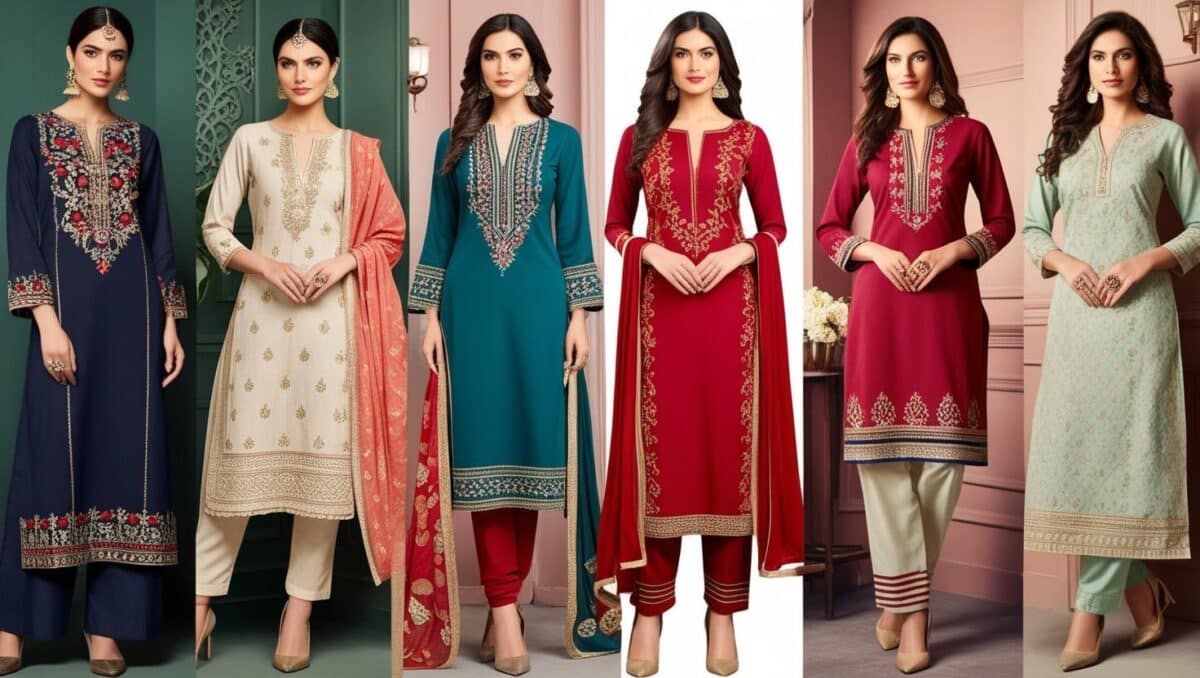
The Salwar Kameez, an iconic ensemble deeply rooted in the Indian subcontinent’s sartorial history, traces its origins to the Mughal era when it was popularized by Empress Nur Jahan’s refined fashion sensibilities. This tripartite outfit – comprising the kameez (tunic), salwar (trousers), and dupatta (scarf) – has evolved through centuries, absorbing influences from Persian, Central Asian, and Indigenous clothing traditions.
Today, Shalwar Kameez stands as a sartorial bridge between traditional craftsmanship and contemporary design, beloved across Punjab, Sindh, Kashmir, and Bengal, while gaining global recognition through Bollywood films and international fashion weeks.
Straight-Cut Salwar Suit: Epitome of Understated Elegance
The Straight-Cut Salwar Suit embodies minimalist sophistication with its streamlined silhouette, favored by urban professionals from Delhi to Karachi. Designers like Ritu Kumar and Sabyasachi Mukherjee often reinterpret this style using Kanjeevaram silk for formal occasions or khadi cotton for casual wear. The Nehru collar variation has gained particular popularity among working women in Bangalore’s IT hubs, while students in Lahore’s FC College prefer it in chanderi fabric for daily wear. Traditional kalamkari prints from Andhra Pradesh and ajrak patterns from Sindh frequently adorn these suits, creating a perfect blend of heritage and modernity.
Punjabi Salwar Suit: A Celebration of Folk Heritage
The vibrant Punjabi Salwar Suit, locally called Patiala suit, originated in the royal courts of Maharaja Bhupinder Singh of Patiala. This exuberant style features phulkari embroidery – a traditional craft from Jalandhar and Amritsar that UNESCO recognized as intangible cultural heritage. During Baisakhi celebrations in Anandpur Sahib, women pair these suits with paranda hair accessories and Punjabi juttis from Kapurthala. Contemporary designers like Manish Malhotra have introduced digital phulkari prints on georgette for the Punjabi diaspora in Toronto and London, while Bibi Russell has showcased organic cotton versions at Dhaka Fashion Week.
Anarkali Suit: Regal Splendor Reimagined
Inspired by Mughal courtesan Anarkali’s legendary love story, the Anarkali suit gained modern popularity through Bollywood classics like Mughal-e-Azam and Jodhaa Akbar. The Wagah border near Amritsar sees spectacular displays of these flowing gowns during evening flag ceremonies. Luxury designers create zardozi-embellished versions using Varanasi brocade and Surat silk, while mass-market brands offer net and chiffon variants for college farewells in DU North Campus. The Hyderabadi pearl and Kundan jewelry from Jaipur perfectly complement these suits at Nizam-era weddings in Chowmahalla Palace.
Palazzo Salwar Suit: East Meets West
The Palazzo Salwar Suit represents a sartorial synthesis popularized by Gen-Z fashionistas from Bandra to Gulberg. This contemporary style pairs ikat prints from Pochampally with Italian crepe fabrics, often seen on Instagram influencers at DLF Emporio in Delhi. NIFT graduates frequently experiment with asymmetric hemlines and cold-shoulder designs, while Lakmé Fashion Week regularly features palazzo suits with Kerala kasavu borders. The style has become particularly popular among Yoga practitioners in Rishikesh for its comfort and versatility.
Sharara Style: The Dance of Fabric
The Sharara suit evolved from Awadhi nobility’s wardrobe in Lucknow’s Kaiserbagh Palace, now a staple at Sufi shrines during Urs festivals. Modern versions feature chikankari embroidery from Lucknow’s Hazratganj paired with French lace for destination weddings in Udaipur’s Lake Palace. Mehndi artists in Karachi’s Clifton area often recommend shararas with gota patti work from Rajasthan, while Dubai-based designers create crystal-embellished versions for NRI weddings at The Palm Jumeirah.
Gharara Style: Lucknow’s Living Heritage
The Gharara suit, once worn by Begum Hazrat Mahal during the 1857 revolt, remains central to Shia Muslim weddings in Lucknow’s Chowk area. Master artisans in Aminabad still handcraft these using tilla embroidery and banarasi silk. At Deccan College in Pune, history students often wear cotton ghararas with Peshwai-style jewelry for cultural events. Sania Maskatiya’s contemporary takes on ghararas have made waves at PFDC Sunsilk Fashion Week in Lahore Fort.
Angrakha Salwar Suit: Warrior Elegance
The Angrakha style, originally part of Rajput and Maratha military attire, has been reinterpreted by Raw Mango using Bhujodi weaves from Kutch. At Jaisalmer’s Desert Festival, performers wear angrakhas with dhoti pants and Rajasthani mojris. Designers like Rajesh Pratap Singh have showcased linen angrakhas at Paris Fashion Week, while artisans in Maheshwar create handloom versions with Ahmedabad’s block prints.
From the Qutub Minar’s shadow to Times Square’s billboards, the Salwar Kameez continues to reinvent itself while maintaining its cultural DNA. UNESCO’s recognition of Indian textiles and Pakistani craftsmanship ensures these styles will endure. Whether it’s a Kashmiri pandit woman’s pashmina-trimmed suit or a Malaysian Indian’s boutique kurta, this ensemble remains a living testament to South Asia’s sartorial genius – adapting yet eternal, like the Ganga-Jamuni tehzeeb that birthed it.
At Imani Studio, we celebrate the timeless elegance of the salwar kameez by blending traditional craftsmanship with contemporary designs. Each piece in our curated collection honors India’s rich textile heritage while embracing modern silhouettes – from our signature Anarkali suits with hand-embroidered zardozi work to our lightweight Palazzo sets perfect for today’s fashion-forward woman. We partner directly with artisans across India to bring you authentic, ethically-made ensembles that tell a story through every stitch and pattern.


 New Arrivals
 Ready To Wear
 Kid’s Clothing
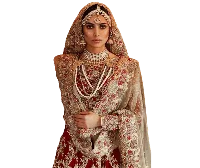 Wedding Wear
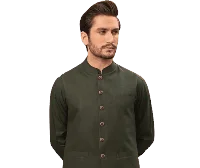 Men’s Wear
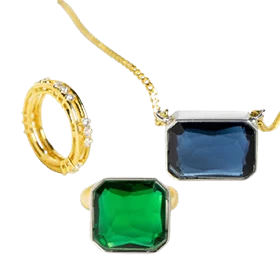 Jewellery
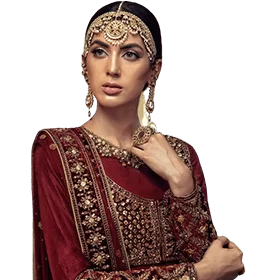 Designers
 Sale
Sale