
Women Apparel
Ready Made vs Designer Dress – Which One Suits You Best?

Choosing between a ready‑made dress and a designer piece means balancing cost, quality, and style. Whether it’s a casual Zara frock or a couture Dior gown, understanding differences among H&M, Uniqlo, Chanel, and Gucci helps you shop smarter.
What Is a Ready‑Made Dress?
A ready‑made dress is mass‑produced in standard sizes and sold “off‑the‑rack” at retailers like H&M, Zara, Shein, Mango, and Uniqlo. Brands such as Forever 21 and ASOS use cost‑effective fabrics—often polyester blends from mills in China—and automated sewing lines in Bangladesh and Vietnam. Prices range from $15 to $200, making trends from Versace runway knock‑offs to Levi’s-inspired silhouettes accessible. Fit can vary, and fabrics may wear out after a few washes.
What Is a Designer Dress?
Designer dresses come from fashion houses like Gucci, Chanel, Dior, Prada, and Valentino, as well as emerging names such as Marine Serre, Peter Do, and Bottega Veneta. They use premium materials—silk from Italian mills like Ratti, cashmere from Scotland’s Lovat Mill, and organza from France. Hand‑finished details include embroidery by Maison Lesage and hardware by Swarovski. Prices start around $1,500 for brands like Alexander McQueen and can exceed $50,000 for Chanel haute couture. Designer pieces often retain 50–70% resale value on platforms like The RealReal, Vestiaire Collective, and Luxury Garage Sale.
Key Comparison Factors
| Factor | Ready‑Made | Designer |
| Price | $15–$200 (H&M, Zara, ASOS) | $1,500–$50,000+ (Chanel, Dior, Valentino) |
| Material | Polyester, rayon blends (Shein, Mango) | Silk (Ratti), cashmere (Lovat Mill), organza (France) |
| Production | Automated (Bangladesh, Vietnam) | Atelier craftsmanship (Paris, Milan) |
| Fit | Varies by brand (Uniqlo, Forever 21) | Made‑to‑measure (Savile Row tailors) or bespoke adjustments |
| Longevity | 1–2 seasons | Multi‑year wear, high resale (The RealReal, Vestiaire Collective) |
Ready Made vs Designer Dress – Cost Analysis
Fast‑fashion manufacturers in Dhaka, Bangladesh and Ho Chi Minh City, Vietnam produce dresses for $5–$10 each. Retail markups by Shein or Boohoo double that cost, so shoppers pay $20–$30. Designer houses like Valentino and Oscar de la Renta incur higher fabric costs (silk from Como, Italy) and Paris atelier labor. A $1,000 Gucci dress may cost $200 to make but sells at a 400% markup due to branding, runway shows, and global boutiques.
Ready Made vs Designer Dress – Quality & Construction
A Zara chiffon midi from Inditex features machine‑overlocked seams and single linings. It looks good but may fray after a few wears. In contrast, an Oscar de la Renta silk‑charmeuse gown from Saks Fifth Avenue includes French‑seamed hems, silk‑organza underlining, and hand‑rolled edges. These techniques mirror couture standards at houses like Christian Lacroix and Jean Paul Gaultier, ensuring durability and elegant drape.
Ready Made vs Designer Dress – Design & Aesthetic Value
Fast‑fashion labels (Topshop, Missguided) mimic runway trends within weeks. Designer brands set the agenda: Prada’s Miu Miu line debuts signature hardware, JW Anderson plays with asymmetry, and Alexander Wang highlights downtown cool. Each house—from Balenciaga to Rick Owens—infuses distinct heritage, making pieces collector’s items and editorial standouts.
Style & Shopping Guide (Powered by ImaniStudio)
At ImaniStudio, explore ready‑made essentials like cotton A‑line dresses and linen shifts from our “Everyday Luxe” line, alongside exclusive designer drops from Amina Muaddi, Rejina Pyo, and Zimmermann. Zoom into seam quality, inspect labels from mills like Ratti, and use our customer‑driven size guide. Enjoy complimentary alteration credits on designer pieces and tamper‑proof QR codes for authentication—ideal for resale on The RealReal or Vestiaire Collective.


 New Arrivals
 Ready To Wear
 Kid’s Clothing
 Wedding Wear
 Men’s Wear
 Jewellery
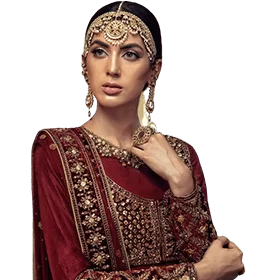 Designers
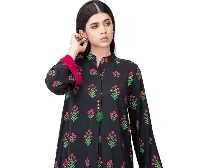 Sale
Sale